Weight Loss
My Weight Loss Journey: Discipline Over Motivation 💪
I finished my PhD in June 2024 and came home without any firm plans—just a much‑needed break from science to spend time with family. I took trips, ate a lot, and enjoyed the slower pace 🌴🍛.
A routine health check before a family event in December 2024 turned into a reality check: my doctor advised me to lose weight for the sake of my liver and long‑term health 🩺⚠️. That straightforward warning made the issue real.
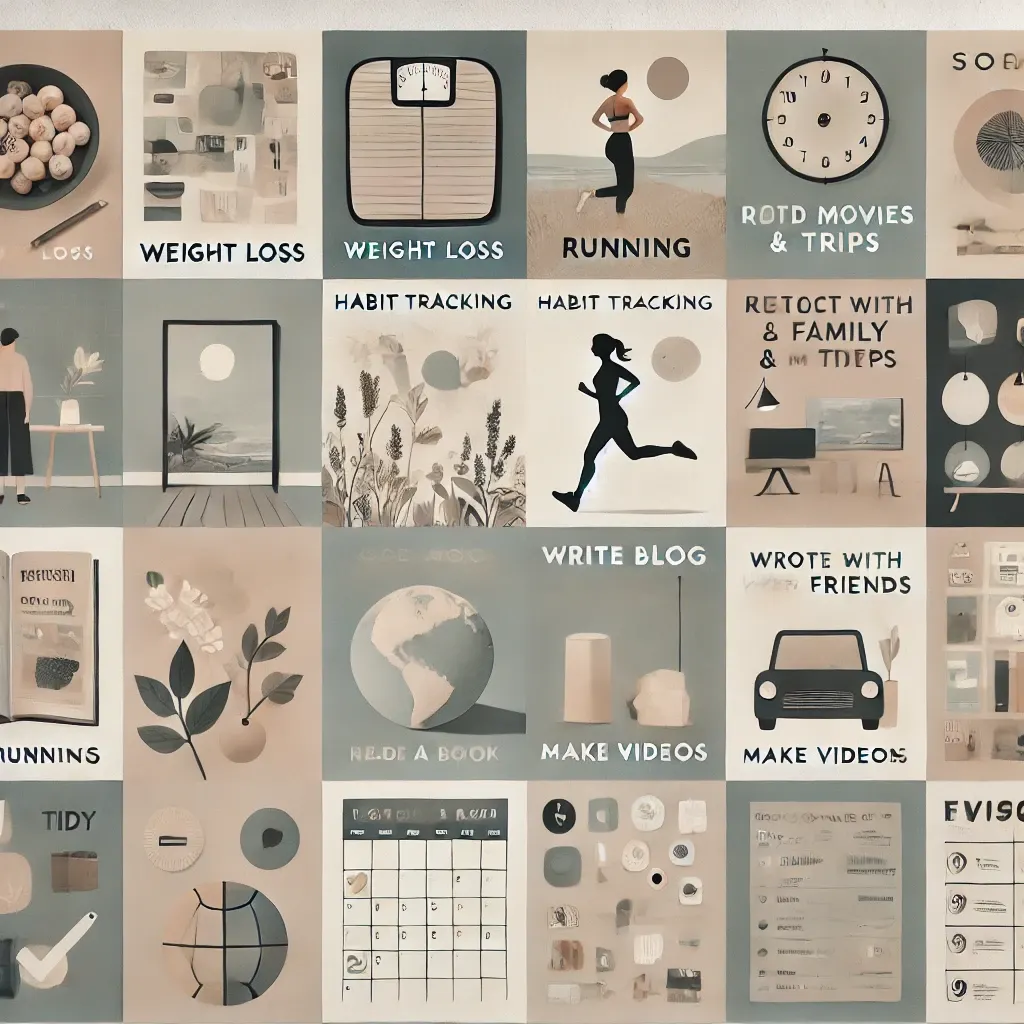
So I decided to treat this as a priority rather than a vague intention. I set a clear goal and created a 2025 vision board (with a bit of help from AI) to keep the focus visible and actionable 🎯🖼️.
Below is the vision board and the plan I used to turn that wake‑up call into sustainable progress.
Weight loss, for me, was never about chasing an aesthetic goal or following a trendy routine. It became a deliberate decision to rebuild discipline, regain physical confidence, and stabilize my mental health after a long and mentally demanding academic phase.
This post is a reflection on that journey, what worked, what failed, and the lessons I learned along the way.
Where I Started 🏁
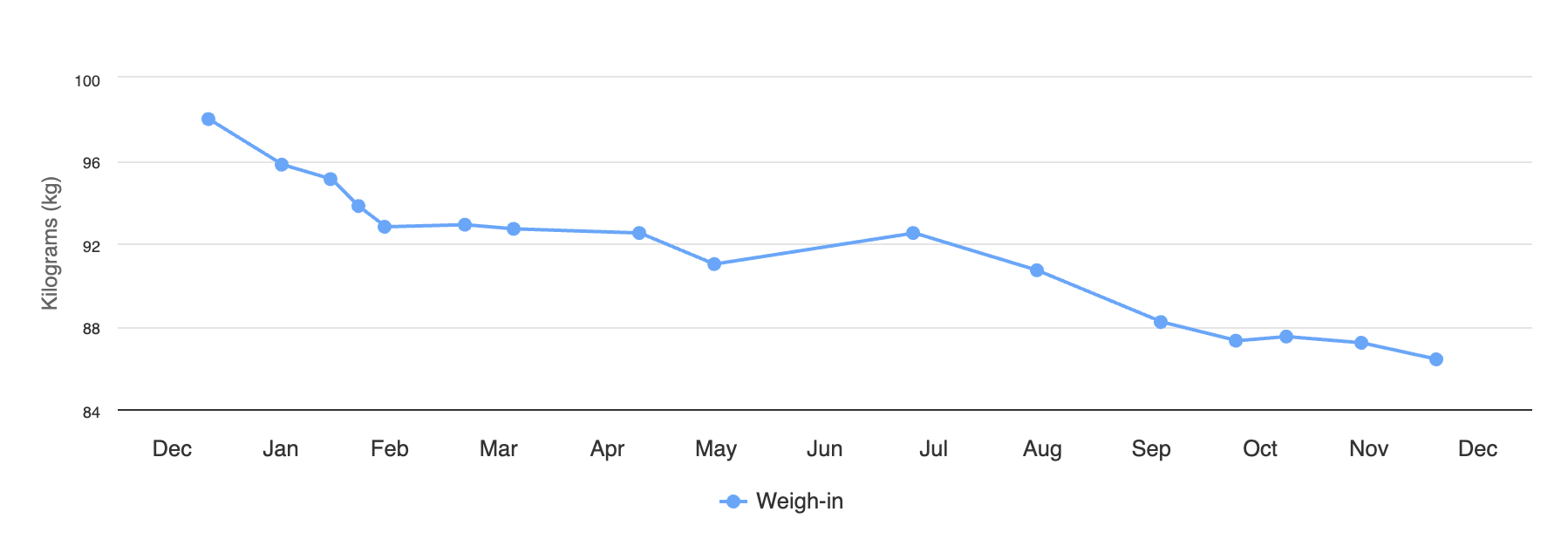
Around the same time last year, my weight hovered around 98–100 kg. My days were mostly sedentary, shaped by research deadlines (working on a paper, eager to share that out soon), long screen hours (watching movies), and an irregular routine. Exercise was sporadic (let say not there), sleep inconsistent, and food choices were driven by convenience rather than intent. I didn’t feel acutely ill, but I was persistently fatigued, mentally foggy, and physically unconfident.
The turning point wasn’t dramatic; it was a quiet realization that this trajectory was unsustainable. If I wanted longevity in life, clarity of thought, and resilience under pressure, my physical health had to become non‑negotiable.
That simple shift in perspective made small, consistent actions suddenly worth prioritizing over occasional bouts of motivation 🌱.
The First Decision: Consistency Over Intensity 🏃♂️
I started with one guiding principle: show up every day, even if imperfectly.
There was no aggressive calorie cutting or extreme workout plan. Instead, I focused on small, sustainable habits:
- 🚶♂️ Regular walking and light jogging
- 🏋️ Basic gym sessions focused on form, not load
- ⏰ Fixed workout times to remove daily decision fatigue
Initially, progress was slow—the scale barely moved. But something else shifted first: my relationship with routine. Exercise became an appointment, not a negotiation.
To make this journey sustainable, I enrolled with an amazing fitness mentor 🏃♂️🏃♂️ Pragnesh 🏃♂️🏃♂️. He is still helping me 🙂 Do check him out 💡.
Learning to Swim at 30: Facing Fear Directly 🏊♂️
Deciding to take swimming lessons at 30 was one of the clearest acts of courage I’ve made for my health and also a way to step out of my comfort zone and conquer my fears 💪.
Over time, the pool taught me three practical skills that carried over into the rest of my routine:
- 🌬️ Breath control — learning to exhale fully in the water reduced panic and improved recovery between intervals
- 🧘 Composure — short, uncomfortable sets forced me to practice staying calm under stress
- 📈 Gradual progress — measurable, repeatable improvements (laps, time, distance) made discipline feel rewarding
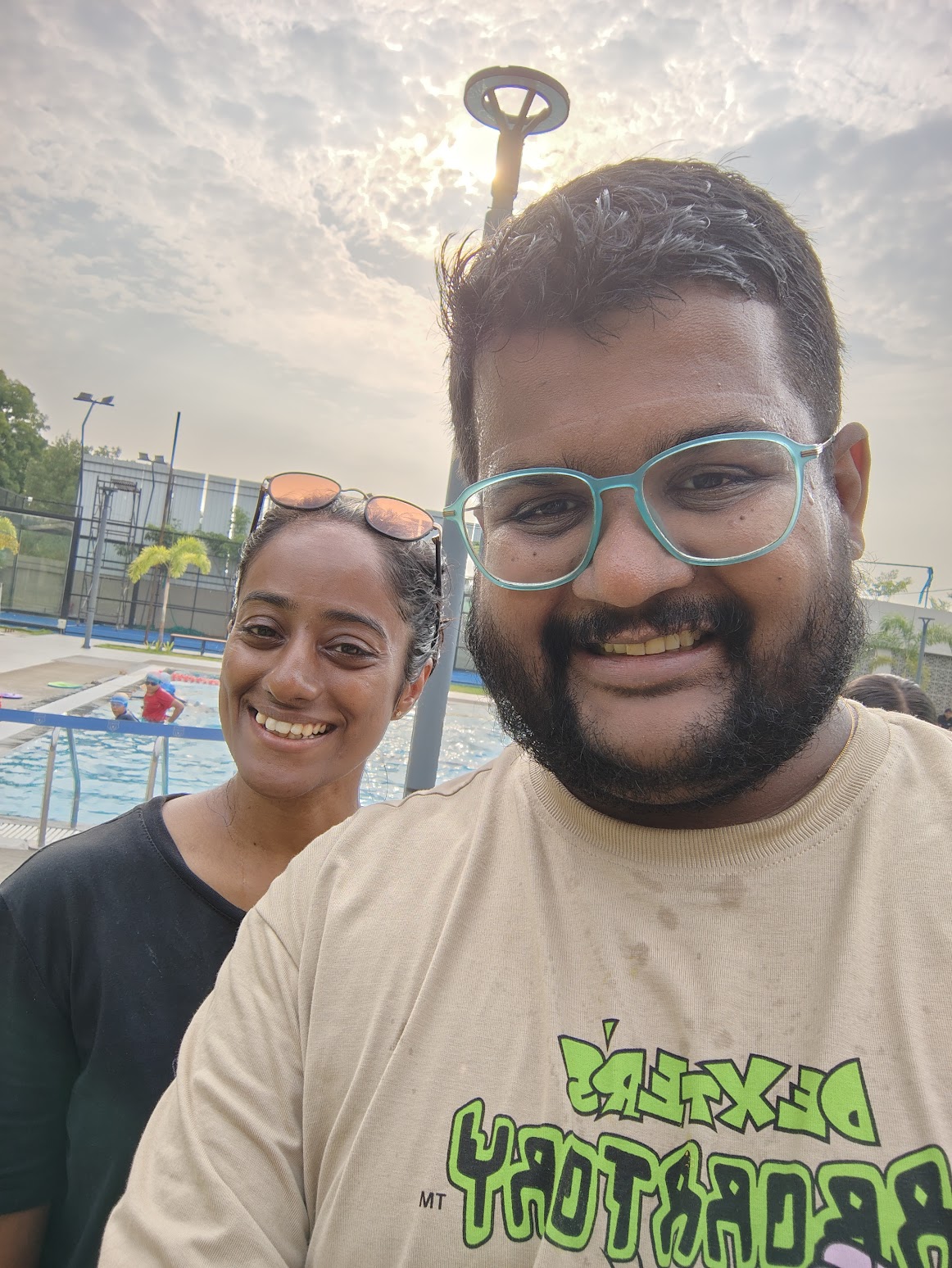
I’m especially glad I had a partner in crime for this venture: the newest member of my family, aka my sister-in-law, aka my sister 😄❤️
Building a Sustainable Weekly Structure 🗓️
Over time, my routine stabilized into something sustainable:
- 🏊 Swimming
- 🏃 Running or run‑walk sessions
- 💪 Core workouts
- 🛌 One complete rest day
- 🧘 10–15 minutes of daily meditation
P.S. After returning to research, swimming is no longer part of my routine (miss it), but meditation and staying active have become natural habits, exactly what I envisioned at the start of 2025 🌱.
Diet: Minimalism, Not Restriction 🍽️
I did not follow a named diet. Instead, I made incremental, realistic changes:
- 🚫 Reduced mindless snacking
- 🍗 Prioritized protein where possible
- 🍛 Maintained an Indian food base rather than forcing crazy meal plans
The key shift was awareness, not deprivation. Once exercise became consistent, appetite regulation followed naturally. Eating Nuts and frutis play a huge role !!
Progress So Far 📊
As of now, I weigh approximately 86 kg, down roughly 10–12 kg from my peak. More importantly:
- ⚡ Energy levels are stable
- 😴 Sleep quality has improved
- 🩹 Injuries are minimal
- 🧠 Mental clarity during work has improved noticeably
Weight loss became a side effect of a healthier system, not the sole objective.
What Actually Mattered ✅
Looking back, these were the non‑negotiables:
- Routine beats motivation—every single time
- Fear‑based goals (like swimming) produce outsized growth
- Slow progress compounds quietly
- Fitness improves research productivity more than caffeine ever did
My favorite pic of this journey—after hitting a personal best in a 5k run 🏃♂️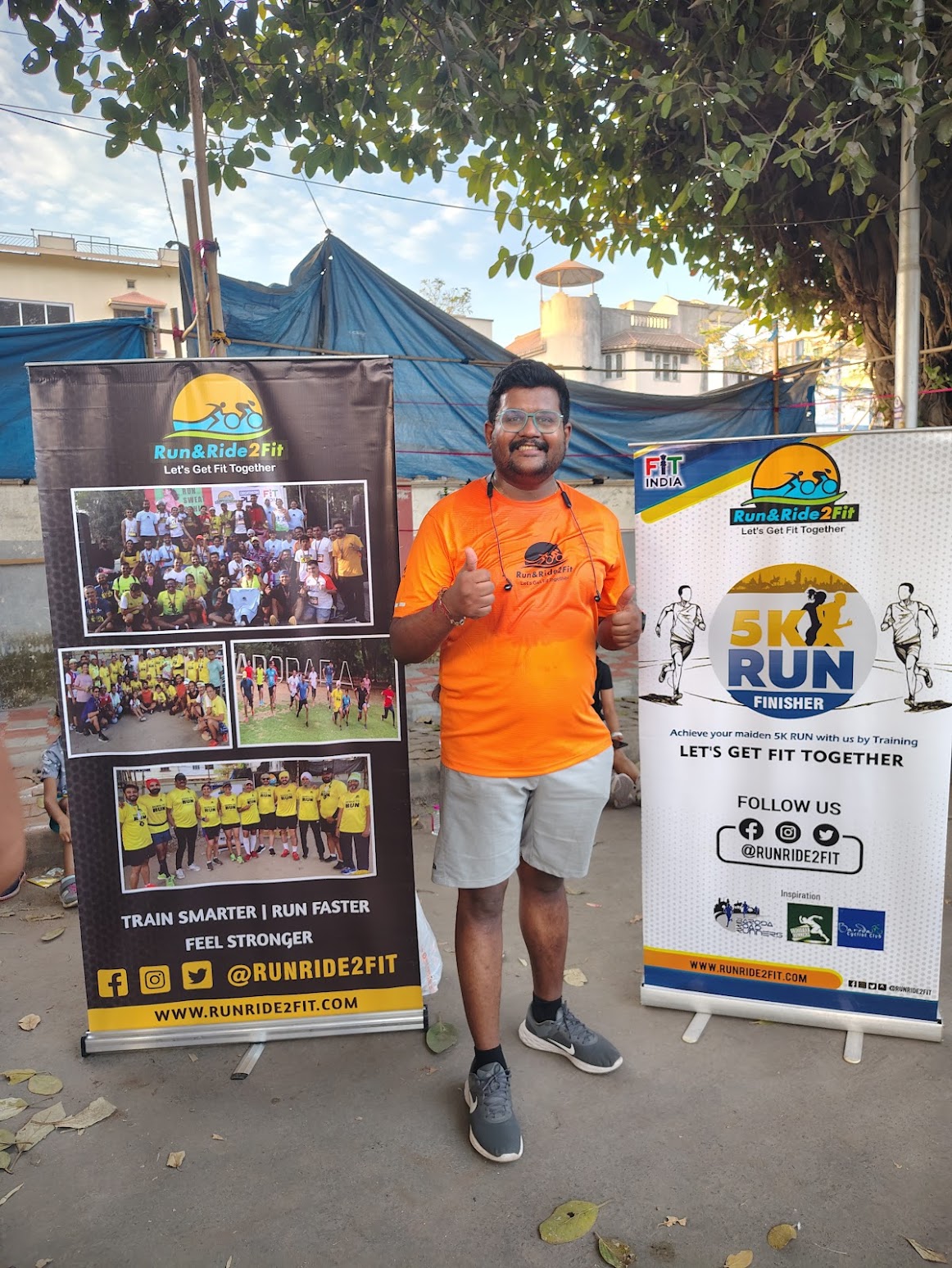
Where This Is Going 🔮
This journey is ongoing. With an upcoming transition into a new research environment, my goal is not to chase a number on the scale, but to enter the next phase physically capable, mentally steady, and disciplined by default 💪🧘♂️.
If you are starting late, restarting, or struggling to be consistent—there is nothing wrong with slow progress. The only real failure is waiting for the “perfect” moment to begin ⏳.
This post is part of my ongoing effort to document systems, not outcomes. If this resonates with you, feel free to reach out or follow along ✨.
As you might have noticed from my vision board, another activity I wanted to focus on was writing blogs. Admittedly, I haven’t been very consistent, and not much had been achieved there… until now. Let’s say this blog is my kickstart 🚀—a step toward making writing a regular part of my journey.
Note: Some images in this post were generated using ChatGPT, and the writing process was supported by Grammarly and other AI tools ✨.